Educators struggle with the meaningful inclusion of students with varying abilities. Their hearts are in the right place; however, they continue to be challenged with how to make inclusion a true reality.
Many teachers lack the training and expertise to effectively support students with diverse learning needs. This leads to difficulty in implementing individualized accommodations and modifications.
Students with varying disabilities experience many obstacles with accessing the curriculum and engaging with the content in a meaningful way. As a result, not only do teachers feel overwhelmed, but parents and families also get extremely frustrated with the school system.
It is not that educators want to exclude children with disabilities in their classrooms; they simply need help in “how” to include them.
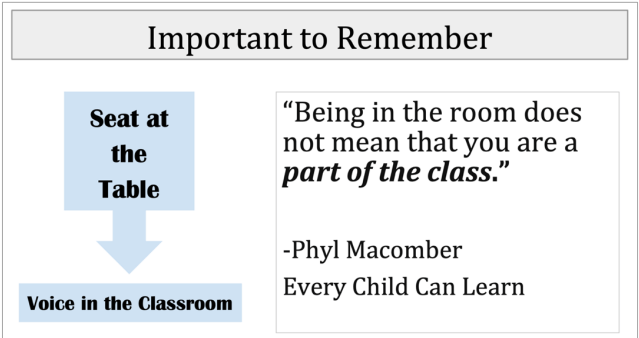
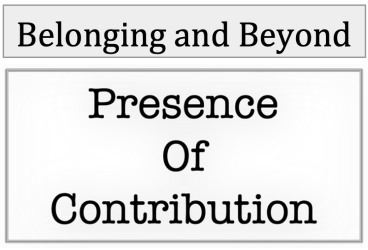
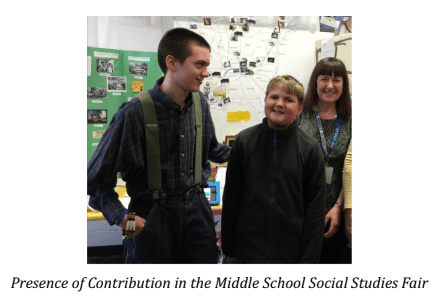
It is a fact that a child does not “earn” their way into the classroom. It is that child’s fundamental right to be there and have a “presence of contribution.”
It is that child’s right to be a contributing member of their classroom community.
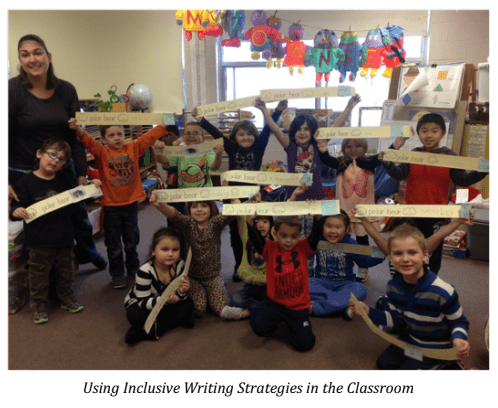
It is that child’s right to be a contributing member of their school community.
It is that child’s right for their contributions to have purpose and be meaningful.
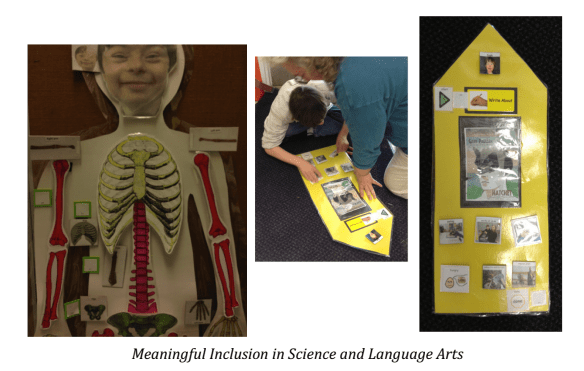
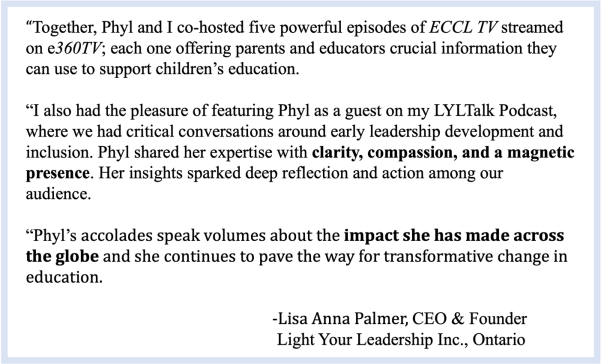
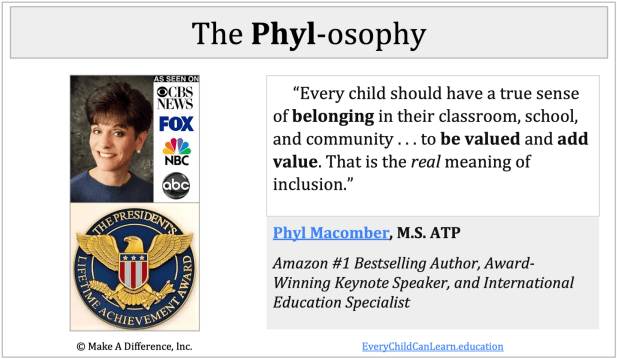
We can create an inclusive classroom culture and climate using intentional instructional strategies with inclusion support from Phyl Macomber, International Education Specialist.
Phyl guides you in a step-by-step method of how to successfully to build student-centered instruction which results in:
• Amplified student voice
• Increased student engagement
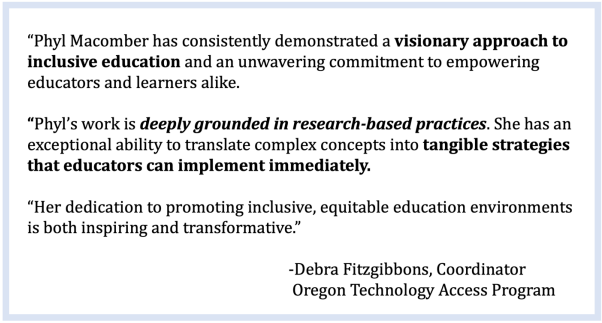
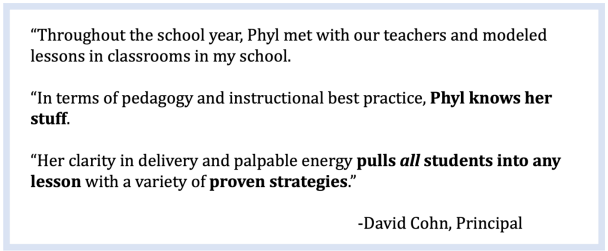
Phyl masterfully teaches educators how to ensure that all students feel welcome and included in the learning process. Her unique set of active learning strategies empower learners of all abilities and personalize the learning experience.
Phyl models how to build a sense of community and belonging, emphasizing the value that each student brings to the learning environment. She trains educators on how to empower students of any ability to take control of their learning using her research-based foundational principles.
This includes training educators on how to know a student’s unique learning language. A learning language is the unique way a student understands and processes information. It is how a student can best tell you what they have learned and what they know.
This work is grounded in Universal Design for Learning (UDL) principles and how to easily integrate them into daily lesson planning, specializing in learner agency.

Phyl Macomber facilitates a commitment to meeting students where they are by consulting with educators on how to place learners at the center of the learning process – using simple and time-efficient high-leverage instructional strategies. It fosters a classroom where all students feel comfortable participating and contributing at their unique levels.
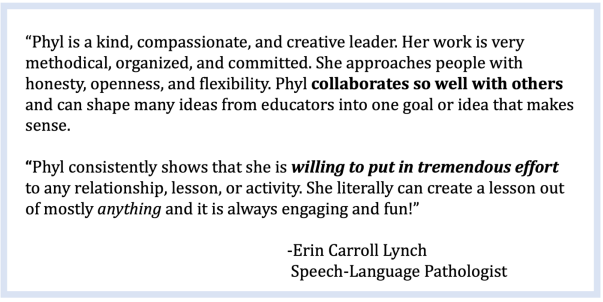
With her award-winning mentoring and coaching, Phyl elevates the instructional delivery of:
• Classroom teachers
• Special educators
• Therapists
• Instructional coaches
• Interventionists • Instructional support staff
This proven consultation model also focuses on systematically applying differentiated instruction (DI) strategies effectively in each of the four DI areas:
• Content: changing up what is taught
• Process: changing up how it is taught
• Assessment: changing up how it is assessed
• Learning Environment: changing up the context of learning
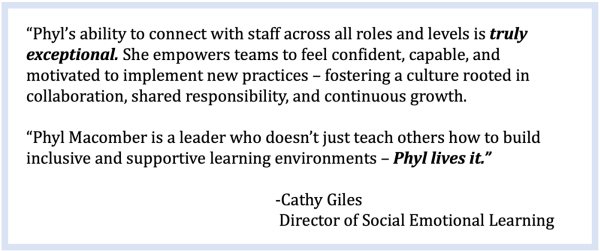
Phyl consistently models each inclusive instructional strategy in every day lessons in any classroom that can be used at any grade-level in any subject area. Meaningful inclusion is achievable.
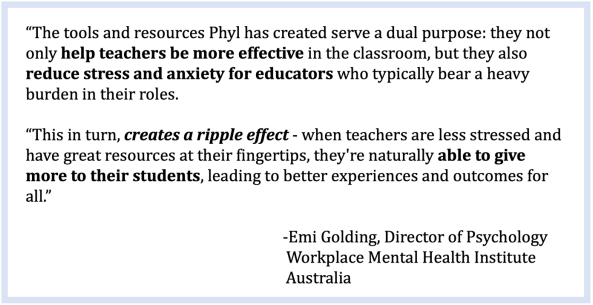
The result is that educators know how to reach and teach learners of ALL abilities in a positive and inclusive classroom environment, along with providing authentic learning opportunities and feedback.